


A major new study suggests that issues like IBS, vitamin deficiencies, and diabetes could signal a higher risk of Alzheimer’s and Parkinson’s, sometimes more than a decade before symptoms begin. The research, published in Science Advances and covered by Medical News Today, highlights how the gut-brain axis, metabolism, and nutrition may play an important role in protecting long-term brain health.
The Gut-Brain Axis: More Than Digestion
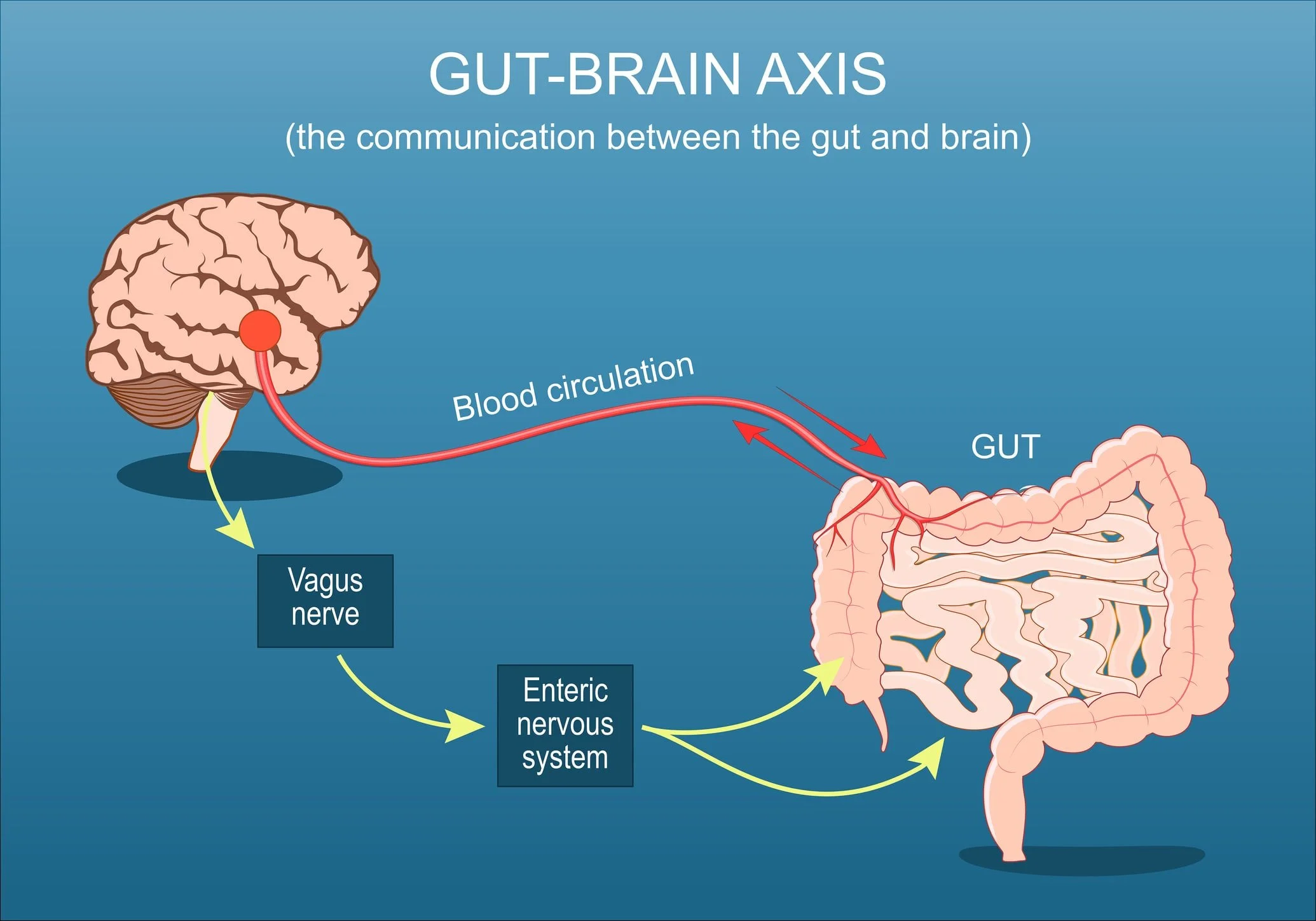
When that balance is disrupted, conditions such as IBS (irritable bowel syndrome) or chronic indigestion may appear. The new study found that these gut issues are not just uncomfortable, they may also be early markers of neurodegenerative conditions years before a diagnosis.
Nutrition, Metabolism, and Vitamin Deficiencies
[caption id="" align="alignnone" width="612"] Healthy foods rich in vitamin D, B vitamins, and omega-3s that support brain and gut health [/caption]
The study also linked metabolic and hormonal conditions to future Alzheimer’s and Parkinson’s risk. Type 2 diabetes, thyroid imbalances, and low vitamin D were among the strongest associations.
Vitamin D and B vitamins, in particular, appear frequently in research on brain health. Lower levels are often found in people with Alzheimer’s and Parkinson’s, suggesting that nutritional support plays an important role in resilience.
Timing Matters: Risk Can Begin 10–15 Years Earlier
Researchers discovered that the timing of these health conditions matters. For example, type 2 diabetes diagnosed 10–15 years before Alzheimer’s showed the strongest link, while IBS and digestive disorders also appeared long before neurological symptoms.
This means paying attention to gut and metabolic health in midlife may give people a valuable head start in prevention.
Why Prevention and Gut Health Support Are Essential
As neurologist Dr. David Perlmutter explains, these findings reinforce the idea that Alzheimer’s and Parkinson’s are not just “brain diseases.” Instead, they represent the end stage of a body-wide process involving inflammation, metabolism, and gut function.
Rather than waiting for symptoms to emerge, maintaining a healthy gut and balanced nutrition may help reduce long-term risk.
[caption id="" align="alignnone" width="2500"]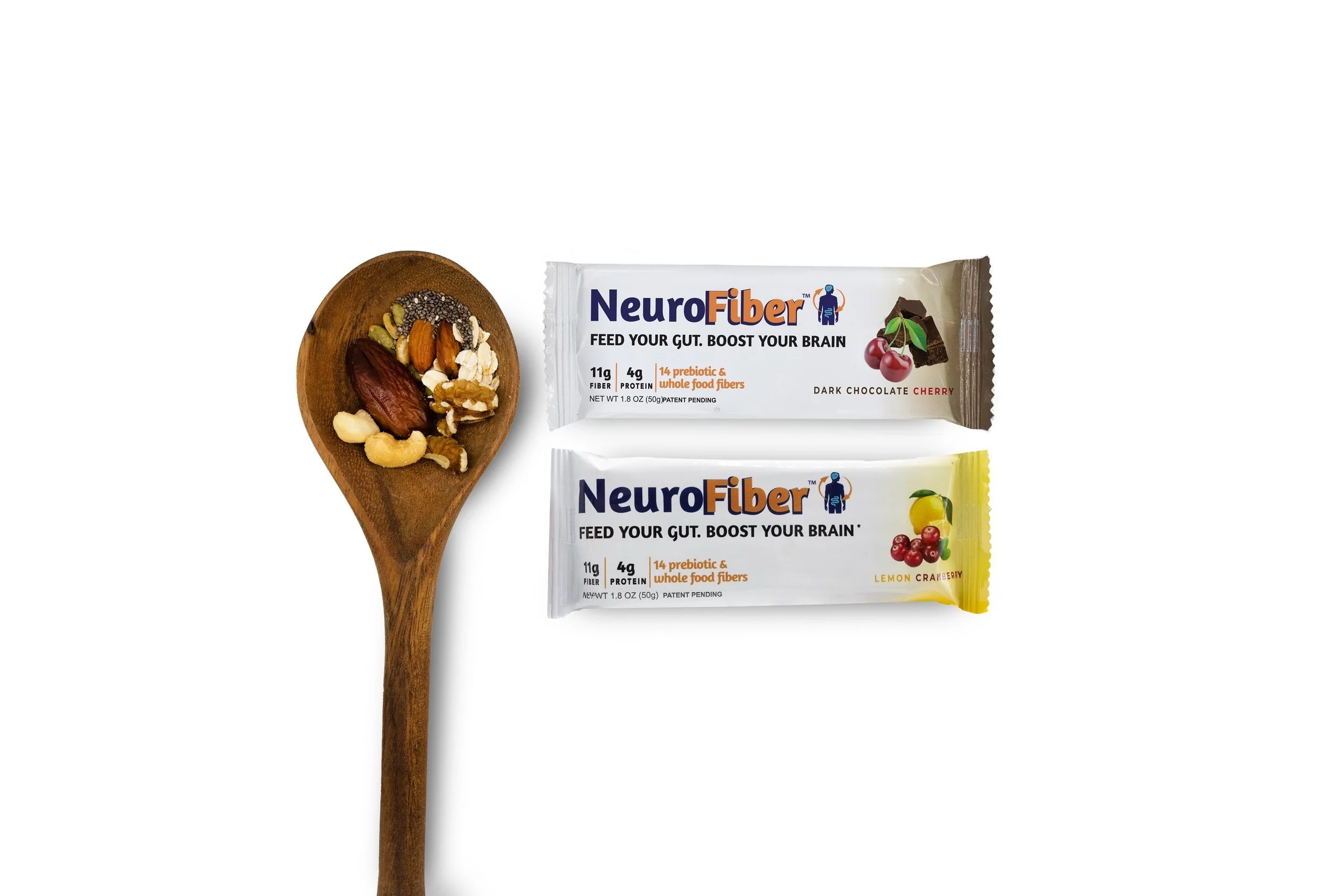 NeuroFiber bars: Dark Chocolate Cherry & Lemon Cranberry have 14-diverse whole food fibers that support the gut-brain connection. [/caption]
How NeuroFiber Supports the Gut-Brain Connection
At NeuroFiber, we believe supporting the gut is one of the smartest steps you can take for overall health. Our unique prebiotic fiber blend helps:
-
Feed beneficial gut bacteria that produce short-chain fatty acids (SCFAs), which calm inflammation
-
Support digestive balance and regularity
-
Provide essential nutrients, including omega-3s and antioxidants, for both gut and brain health
While no single food or supplement can prevent Alzheimer’s or Parkinson’s, a diverse, fiber-rich diet is a cornerstone of long-term resilience.
Takeaway
The message from this new research is clear: paying attention to gut and metabolic health today may help protect the brain tomorrow. By focusing on nutrition, digestion, and vitamin balance, individuals may lower their risk of neurodegenerative disease and improve daily well-being along the way.
👉 Learn more about NeuroFiber and how it can help support your gut-brain health.


