


A New Frontier in Neurological Health
For Healthcare Professionals Only
Aging and neurological conditions like Parkinson’s disease are increasingly linked to gut inflammation and microbial imbalance, often appearing years before cognitive or motor symptoms.
Key clinical observation: Gut inflammation and microbial imbalance may precede motor symptom onset in Parkinson’s disease.
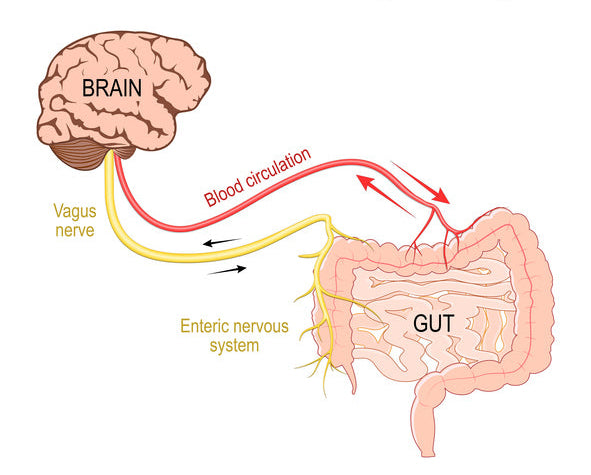
Growing evidence suggests Parkinson’s disease may involve early gastrointestinal pathology, rather than originating solely in the brain. One influential framework supporting this view is Braak’s Hypothesis, which proposes that pathological processes may travel from the gut to the brain via the vagus nerve.
While this concept reshaped how we understand disease onset, few interventions have addressed it directly.
NeuroFiber was created to help explore this gap. A whole-food, prebiotic fiber bar designed to support microbiome health, reduce inflammation, and complement medical nutrition care.
✅ Why NeuroFiber Matters?
- Associated with reduced gut inflammation (fecal calprotectin) in a 4-week human PD clinical pilot clinical (ClinicalTrials.gov NCT 07127120)
- Supports emerging gut–brain axis interventions building on Braak’s Hypothesis
- Formulated with 14 diverse whole-food prebiotic fibers for better microbiome diversity and support of increased SCFA production (butyrate, acetate, propionate)
- Added antioxidants and vitamins B12, D3, E

Request Complimentary Samples & Patient Materials
If you are a licensed U.S. healthcare professional and would like sample packs or educational brochures for your patients, we’re happy to provide them at no cost.
Available to U.S. healthcare professionals only.
Early Clinical Evidence: Gut Inflammation Is Elevated in PD and MSA
-

Fecal calprotectin, a validated marker of intestinal inflammation, is significantly elevated in Parkinson’s disease (PD) and multiple system atrophy (MSA) compared with healthy controls (Wei Hor et al., 2022).
-
Patients with Parkinson’s disease (PD) and multiple system atrophy (MSA) consistently demonstrate elevated markers of gut inflammation compared to healthy controls.
Clinical studies have shown significantly increased fecal calprotectin levels in PD and MSA, indicating intestinal inflammation that may contribute to gastrointestinal symptoms and downstream neurological processes.

From Disease Hypothesis to Clinical Testing
These findings raise an important clinical question:
If gut inflammation is elevated in Parkinson’s disease and MSA,
can a targeted nutritional intervention meaningfully reduce it?
To address this question, we conducted two studies:
(1) a 4-week clinical pilot in adults with Parkinson’s disease, and
(2) an ex vivo simulation using Parkinson’s patient microbiota to explore biological mechanism.
NeuroFiber Clinical Trial 1/day x 4 Weeks: Reduced Constipation + Gut Inflammation
-

Constipation Relief
Constipation was defined using ROME IV diagnostic criteria and assessed through validated gastrointestinal symptom surveys.
-

Reduced Gut Inflammation*
A significant reduction was observed after 4 weeks of daily NeuroFiber intake (p = 0.0206), indicating improved gut health.
-

Improved Cholesterol*
Significant reductions in LDL (p = 0.0002) and Total Cholesterol (p=002) were observed after 4-weeks. No significant change in HDL (p = 0.432).
-

Serum GFAP + QoL Trends*
Serum GFAP showed a downward trend (not statistically significant).


*Results based on 4-Week Pilot Clinical study (ncttrial.gov NCT07127120)
Full Summary of 4-Week Clinical Pilot Study
After 4 weeks, NeuroFiber intake was associated with a statistically significant reduction in fecal calprotectin, alongside improved lipid markers and favorable patient-reported outcomes in adults with Parkinson’s disease.
Study Objective (click to expand)
Gut dysbiosis is increasingly recognized as a hallmark of Parkinson’s disease (PD), contributing to gastrointestinal dysfunction and systemic inflammation. Short-chain fatty acids (SCFAs) play an important role in maintaining gut barrier integrity and regulating inflammation, and reduced SCFA levels have been associated with increased intestinal permeability and elevated fecal calprotectin, a marker of gut inflammation. Prebiotic fibers selectively stimulate SCFA-producing microbial taxa; however, their therapeutic potential in individuals with Parkinson’s disease remains underexplored.
The objective of this study was to evaluate the effects of a novel prebiotic fiber blend, delivered as a daily high-fiber bar, on gastrointestinal health, gut inflammation, metabolic markers, and patient-reported motor and non-motor symptoms in adults with Parkinson’s disease.
Key Findings (Clinical Pilot)
After 4 weeks of daily NeuroFiber® consumption, statistically significant improvements in markers of gut health and gastrointestinal function were observed. Fecal calprotectin levels decreased significantly (216.9 vs 169.9 µg/g; p=0.0206), indicating reduced gut inflammation. Among participants experiencing functional constipation, 78% reported symptom relief, accompanied by decreased laxative use and improvements in other gastrointestinal symptoms.
Modest changes in fecal short-chain fatty acid (SCFA) levels were observed over the intervention period. Reductions in primary and secondary bile acids, including cholic acid (CA), lithocholic acid (LCA), and nordeoxycholic acid (NDCA), were detected, consistent with favorable modulation of gut microbial metabolism.
Significant reductions in blood lipid parameters were also observed, including total cholesterol (192 vs 185 mg/dL; p=0.0063) and LDL cholesterol (105 vs 98 mg/dL; p=0.0002). Questionnaire-assessed motor and non-motor Parkinson’s disease symptoms declined significantly over the 4-week study period.
Study Design & Methods
This was a 4-week pilot study conducted in adults diagnosed with Parkinson’s disease. Participants consumed one high-fiber, prebiotic bar daily as part of their usual diet. Tolerability, gastrointestinal symptoms, and motor and non-motor Parkinson’s disease symptoms were assessed using validated questionnaires. Blood and fecal samples were collected at baseline and after 4 weeks for microbiome, bile acid, metabolite, and metabolic analyses.
Gut inflammation was assessed via fecal calprotectin. Blood analyses included lipid metabolism markers. Changes in gastrointestinal symptoms, constipation, and laxative use were evaluated through participant-reported outcomes. The study was registered under ClinicalTrials.gov (NCT07127120).
Clinical Interpretation
This pilot study provides evidence that daily consumption of a NeuroFiber bar can improve gastrointestinal health, reduce gut inflammation, and alleviate constipation and reduce cholesterol in individuals with Parkinson’s disease. Improvements in patient-reported motor and non-motor symptoms, along with favorable changes in bile acid profiles and blood lipid markers, suggest modulation of gut microbiome activity associated with NeuroFiber® consumption.
Although changes in SCFA levels were modest, the observed reductions in calprotectin and bile acids support a role for prebiotic fiber interventions in restoring gut microbial balance in Parkinson’s disease. Larger, longer-duration clinical trials are underway to further evaluate the therapeutic potential NeuroFiber to reduce symptom burden and potentially delay disease progression.
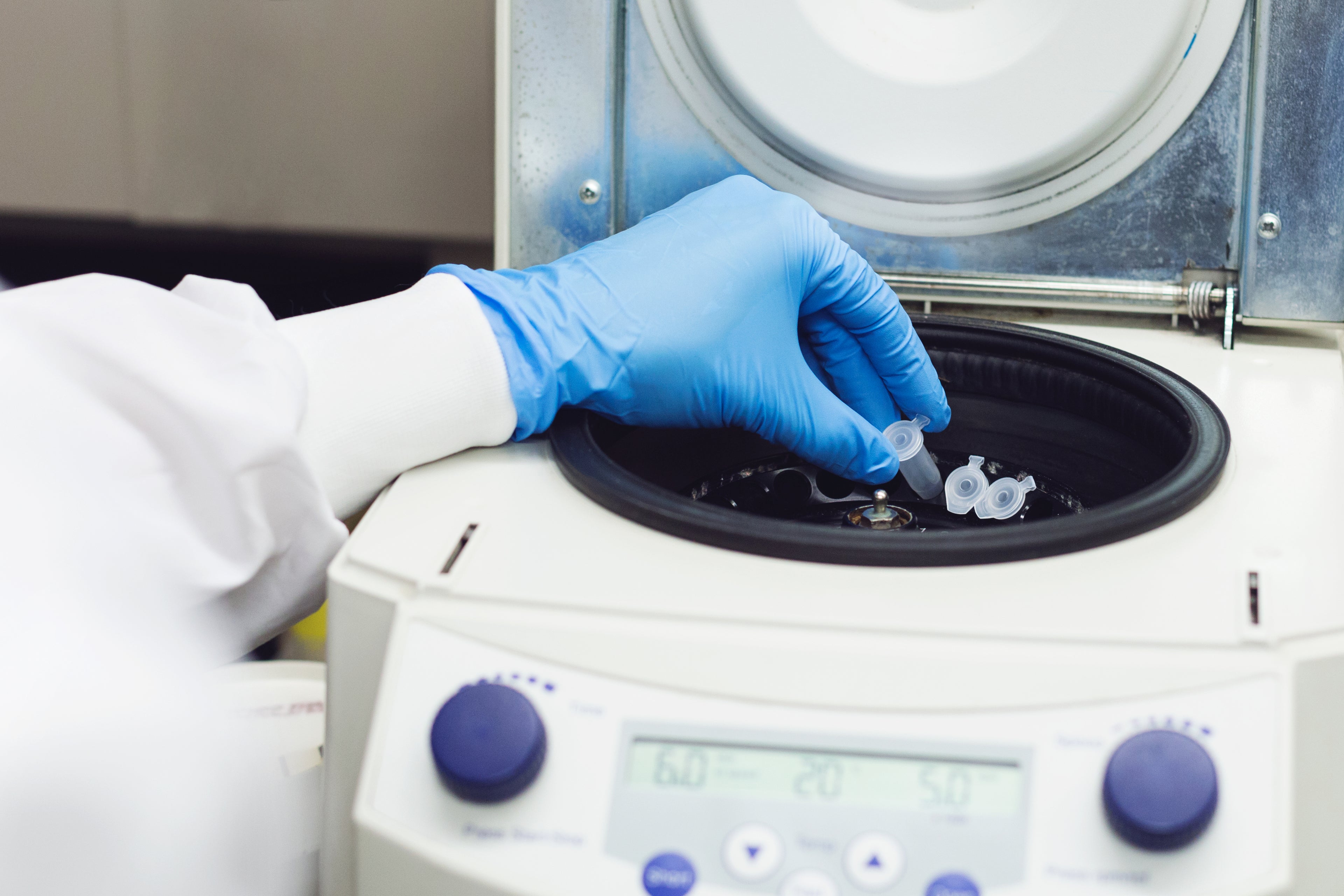
Ex Vivo Fermentation Study Using SIFR Technology
To better understand the biological mechanism underlying these clinical findings, an ex vivo study using Parkinson’s patient microbiota was conducted.
SCFA Production (Ex Vivo PD Microbiota Model)
-
In an ex vivo gut model using microbiota from Parkinson’s patients, NeuroFiber was associated with increased short-chain fatty acid (SCFA) production, including butyrate, acetate, and propionate.
Compared to both control and leading stool softeners, NeuroFiber stimulated the highest SCFA output.SCFA Benefit Snapshot:
✅ Boosts microbiome function
✅ Supports gut-brain signaling
✅ May improve inflammation and motility -

Short-Chain Fatty Acid Production (Ex-Vivo Model)
NeuroFiber outperformed both control and commercial constipation products in SCFA production.
✅ p < 0.0001 vs Control | p = 0.0012 vs Psyllium Husk

Full Summary of Ex Vivo Simulation Study
Study Design
Objective:
The research objective of the study was to characterize the impact of a series of test products, including some prebiotic and food bar blends, on the gut microbiota of Parkinsons’ Disease (PD) patients.
Methods:
The impact on metabolite production (key fermentation parameters (pH, gas, SCFA, bCFA)) was assessed at 24h after introduction of the test products in the colonic environment of PD patients, as simulated with the ex vivo SIFR® technology. Six different test subjects were included, which is important since it has been established that there are marked interpersonal differences among the human population (1). The test products were compared against a no-substrate control.
The high technical reproducibility of the SIFR® technology was demonstrated by the minor variation observed across technical replicates, i.e., the coefficient of variation (= SD/AVG) was on average 1.94% for analysis of key fermentation parameters. This very high technical reproducibility renders the SIFR® technology very sensitive to decipher changes in the human gut microbiome.
Results
All test products, except market leading stool softener propylene glycol, demonstrated stimulatory effects on microbial metabolic activity to varying degrees. Notably, the NeuroFiber Prebiotic Fiber powder blend and the Dark Chocolate Cherry NeuroFiber bar products significantly boosted the production of short-chain fatty acids (SCFAs) such as acetate, propionate, and butyrate, which are typically found at lower levels in both serum and fecal samples of Parkinson's disease (PD) patients (2,3).
The combination of NeuroFiber Powder blend with green tea extract exhibited higher specificity towards propionate and acetate/butyrate. Further, the effects on SCFA production were particularly potent in the bar-form of NeuroFIber, where the key ingredients were combined with additional whole food excipients.
Discussion
Health benefits of gut microbiota-derived SCFAs are well-documented. SCFAs regulate epithelial barrier function as well as mucosal and systemic immunity (3,4). Additionally, SCFAs influence the gut-brain axis by directly stimulating the vagal afferents of the vagus nerve and affecting the intestinal endocrine release of hormones (5). SCFAs can also enter the circulation and cross the blood-brain barrier, where they exert beneficial effects, such as maintaining blood-brain barrier integrity and reducing peripheral inflammation. However, the role of SCFAs in neuroinflammation remains controversial, as studies in animal models have shown conflicting results, with SCFAs either inhibiting or promoting neuroinflammation in mice (5-7).
SCFAs may also play a role in managing several Parkinson’s disease (PD) symptoms. Constipation, a prevalent non-motor symptom in PD, occurs more frequently in PD patients than in the general population (8). Research has shown that acetic acid can increase the water content in feces, while butyric acid can decrease transit time and enhance intestinal mobility. These effects may help alleviate constipation symptoms in PD patients, providing potential relief from one of the more common symptoms of the disease (9).
For more details on either study please email statkusb@sorriditherapeutics.com and the team will be happy to provide more information.
The Theory That Changed How We Understand Parkinson’s
In 2003, Braak’s hypothesis proposed that Parkinson’s disease may not originate in the brain, but rather in the gut.
According to this theory, misfolded proteins or harmful pathogens may travel from the intestines to the brain via the vagus nerve, triggering neurodegeneration years before motor symptoms appear.
An Argument for Treating the Gut in Parkinson’s Disease (PD)
Selected research supporting the role of the gut–brain axis in Parkinson’s disease
- 2003 🧾 Braak, et al hypothesized that “PD originates outside the CNS, caused by a yet unidentified pathogen” and propagates to the brain via the vagus nerve.
- 2011 🧾 Forsyth, et al demonstrated increased intestinal permeability (leaky gut) in PD patients vs controls. In addition, leaky gut correlated with increased E coli and α-synuclein presence in the intestinal mucosa.
- 2012 🧾 Alkaly, et al concluded from a study of 257 PD patients and 198 controls, that higher adherence to a Mediterranean Diet was associated with reduced odds for PD development.
- 2015-2016 🧾 Erny, et al 2015,🧾 Malcovitch-Natan, et al 2016and🧾 Rooks, et al 2016 demonstrate that gut bacteria control the differentiation and function of immune cells in the intestine, periphery and brain.
- 2016 🧾 Unger, et al analyzed fecal short chain fatty acids (SCFA’s) in 34 PD patients vs age matched controls. SCFA’s were significantly reduced in PD patients vs controls. Additionally, age matched controls had lower SCFA’s compared to a younger control group.
- 2016 🧾 Sampson, et al, in a PD mouse model, showed that colonization of mice with microbiota from PD patients enhances physical impairment compared to transplants from healthy donors.
- 2018 🧾 Schwiertz, et alconfirmed elevated levels of fecal calprotectin and other inflammatory markers in PD vs controls. Calprotectin: 87.1 vs 25.3
- 2022🧾 Abdel-Haq, et al demonstrated that a prebiotic diet attenuates motor deficits and reduces α-synuclein aggregation in the substantia nigra in a mouse model of PD.
- 2023 🧾 Hall, et al published an open label study of 20 PD patients treated with a prebiotic fiber bar for 14 days. Results indicated beneficial changes in the fecal microbiota, SCFA, inflammation, and systemic NfL levels.