


Overview
Results at a Glance
A Visual Snapshot of Key Outcomes from 4 week NeuroFiber Clinical Study.
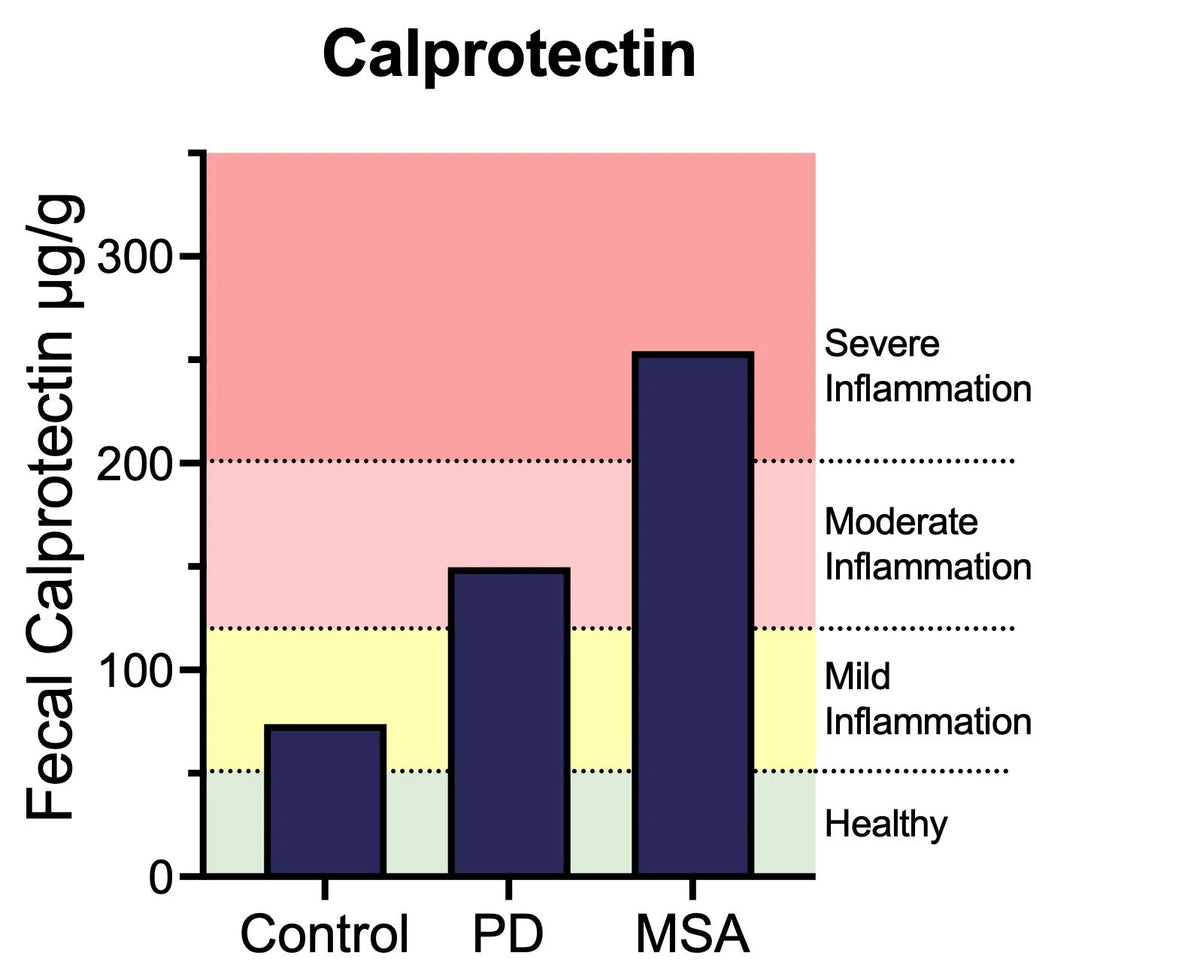
Baseline Gut Inflammation Levels in Parkinson’s and MSA* Patients
People with Parkinson’s disease (PD) and multiple system atrophy (MSA) showed 3–4x higher fecal calprotectin levels than healthy controls, indicating elevated gut inflammation.
*Wei Hor et al., Journal of Movement Disorders, 2022
Overview
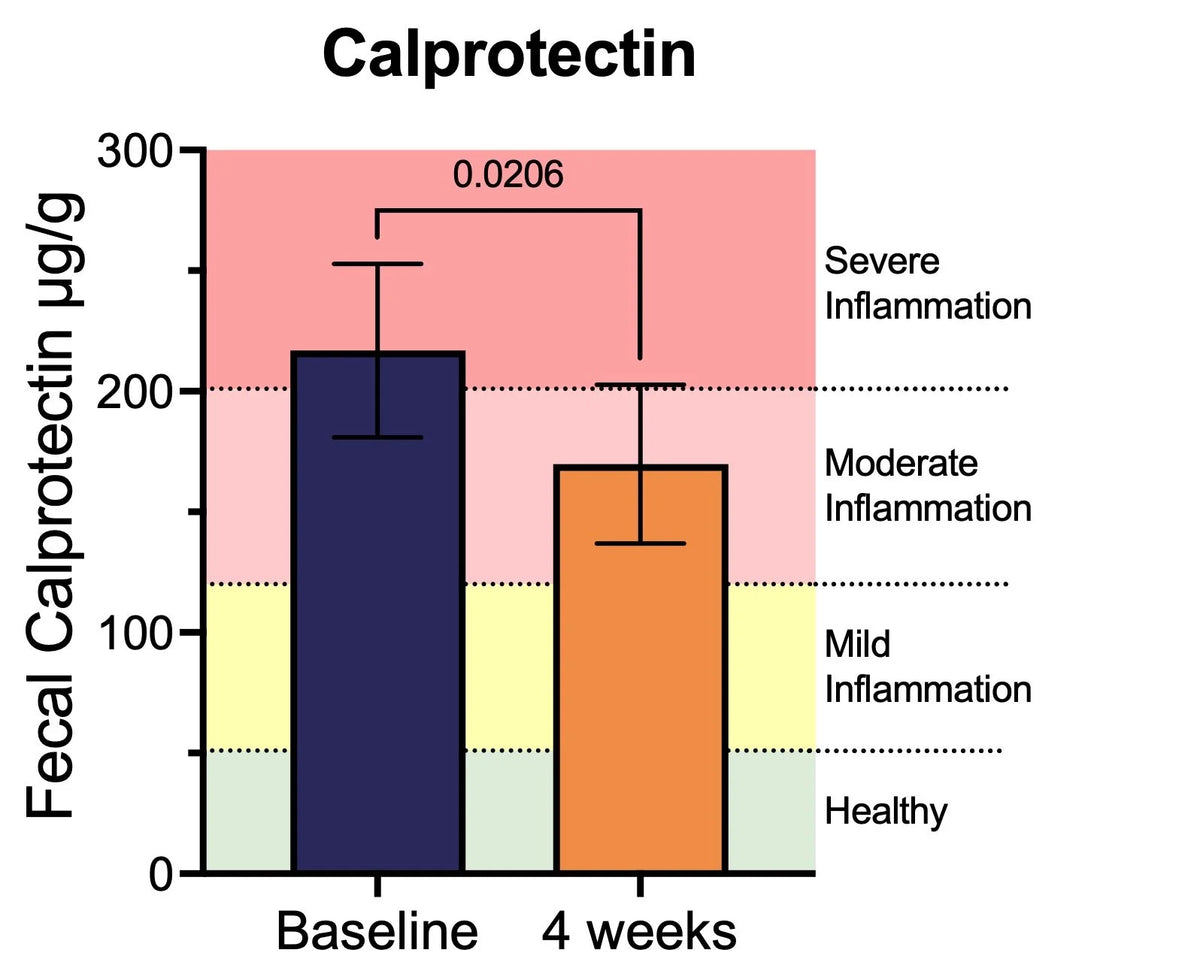
After the 4-Week NeuroFiber Trial: Gut Inflammation Decreased
Average fecal calprotectin levels dropped from 217 µg/g to 170 µg/g after four weeks of daily NeuroFiber intake. This downward trend indicates reduced gut inflammation and supports NeuroFiber’s potential to promote gut and brain health.
While group averages showed overall improvement, individual stories like Joel’s help illustrate what these changes can look like in real life.
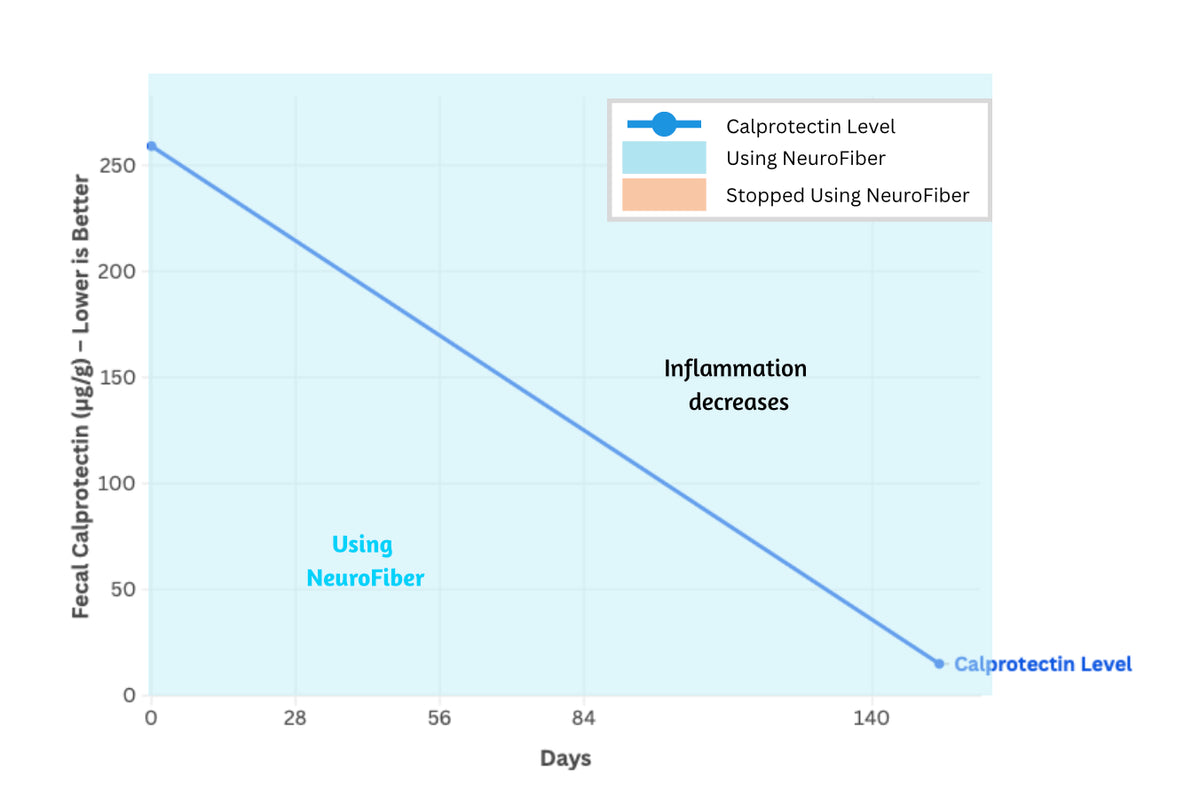
One Participant’s Experience: Inflammation Dropped After 5 Months of Consistent NeuroFiber Use
Overview
This participant’s fecal calprotectin levels dropped from 259 µg/g to a healthy 15 µg/g over 5 months of consistent NeuroFiber use — a shift from severe inflammation to within the normal range.
Individual data shown with permission. Results may vary.
Sorridi Therapeutics conducted a one-month, open label pilot clinical trial with NeuroFiber Bars in People with Parkinson’s.

Objective
The study objective was to characterize and evaluate changes in gut-inflammation, gut-derived bile acids and SCFAs, and disease management parameters in adults with Parkinson’s disease before and after 4-week intake of 1/day NeuroFiber®, a novel prebiotic fiber bar.
Preliminary results showed:
- Significant shifts in gut-derived metabolite pools of bile acids
- A decreasing trend in gut inflammation as measured by Calprotectin
- Significant reductions in Total Cholesterol, LDL-cholesterol and Non-HDL cholesterol, which is a great indicator of metabolic health.
Though not statistically significantly, SCFA’s did increase after 4 weeks and NfL and GFAP (neuroinflammation biomarkers) showed a favorable trend downwards. Significance is expected with a larger clinical trial.
Participant feedback on quality of life, QoL, measures were outstanding.
Survey results demonstrated improvements in sleep, bowel regularity, and most participants reported improvement in non-motor and motor experiences of daily living.
✓ 66.7% of study participants self-reported improvements in sleep (PDSS-2)
✓ 86.6% of study participants self-reported improvements in non-motor and motor experiences of daily living
Great improvements in GI Symptoms:
✓ 75% of those who reported mild to severe constipation at study initiation felt an improvement at the time of completion
✓ 40% of study participants saw an improvement in bowel movement straining
✓ 46.6% of study participants saw a reduction in hard or lumpy stools
✓ 25% of study participants reduced their laxative consumption during the trial
NeuroFiber: Ex-Vivo Study
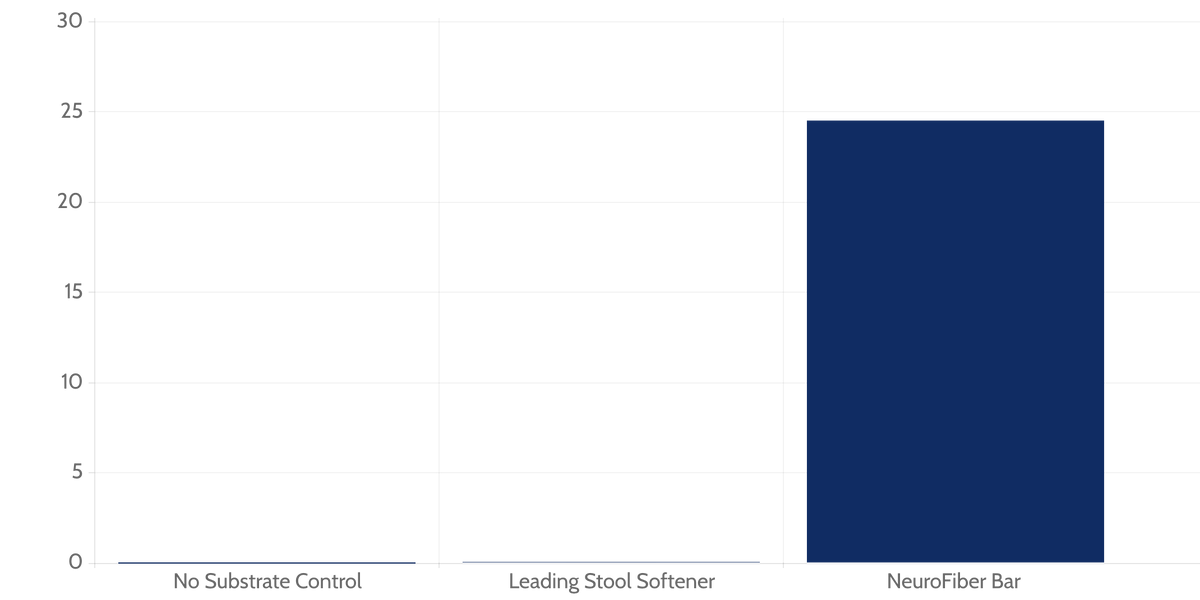
As it is well documented that PD patients have reduced SCFA production, one of NeuroFIber’s goals is to increase SCFA production to facilitate a healthier gut lining. Using Cryptobiotix’s ex-vivo SIFR® technology, Sorridi Therapeutics studied the impact of NeuroFiber prebiotic bars on metabolite production (key fermentative parameters - gas, pH, and SCFA’s) of the gut microbiota of People with Parkinson’s.
NeuroFiber Dark Chocolate Cherry was tested against the market leading stool softener, propylene glycol and a No Substrate Control (NSC).
Results show that NeuroFiber Chocolate Cherry significantly decreased pH, key to fighting off pathogenic bacteria, and greatly stimulated the production of total SCFA’s (acetate, propionate, butyrate).