
The Truth About Gut Health: It’s Not Fiber or Probiotics—It’s Both
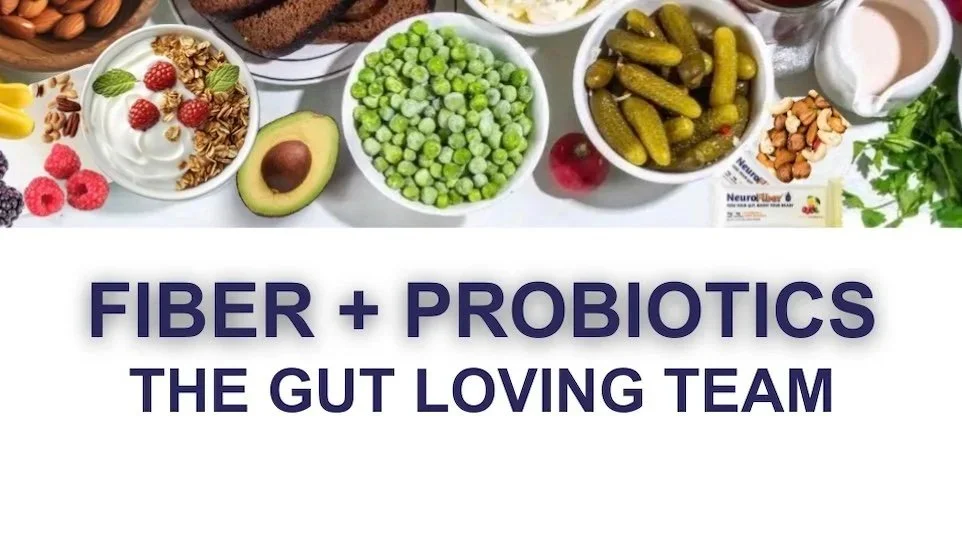
When it comes to gut health, the message can sound split: team fiber or team probiotics. Let's break down how each works and get to the bottom of this debate.
Fermented Foods: What They Are and Why They’re Important
Fermented foods are foods made when beneficial bacteria or yeast break down natural sugars (carbohydrates). The result? Probiotics, which are live microorganisms that can boost the number and diversity of good bacteria in your gut.
When you hear the word probiotic, you might think of the variety of probiotic supplements you see in the store. The good news is probiotics can be found in everyday foods. Examples include:
Yogurt (with “live and active cultures”) – great for digestion
Kefir – a probiotic-rich fermented drink
Kimchi & Sauerkraut – fermented veggies rich in probiotics and flavor
Miso – umami-packed paste for soups and sauces
Tempeh – fermented soybean product with protein
Kombucha – fizzy fermented tea for a refreshing boost
These foods not only bring probiotics into your system but also introduce beneficial by-products that support gut barrier function and reduce inflammation.
Unfermented Foods (Fiber) and
Why They Are Important
While fermented foods introduce beneficial bacteria, fiber from unfermented plant foods plays a different but equally important role. Fiber, especially prebiotic fiber, is the food for your gut microbes, helping them survive, grow, and produce health-promoting compounds.
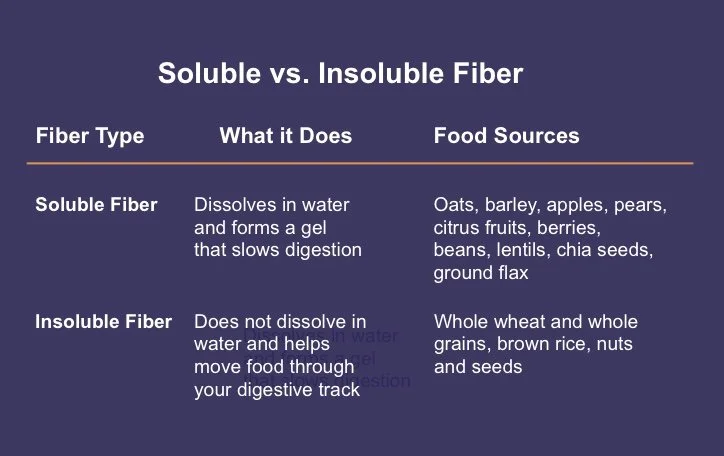
Eating a diverse variety of fiber-rich foods gives your gut the best of both worlds. This includes both soluble fiber and insoluble fiber. Soluble fiber, such as oats, apples, berries, beans, lentils, dissolves in water, feeding your gut microbes and keeping you full and energized. Insoluble fiber, such as broccoli, carrots, leafy greens, whole grains, nuts, seeds, adds bulk and help food move smoothly through your digestive tract.
Fiber is known to:
Support regular bowel movements
Help lower cholesterol
Reduce inflammation
Promote healthy weight management
Fiber-Rich Foods to Include:
Vegetables (broccoli, carrots, leafy greens)
Fruits (apples, berries, bananas)
Whole grains (oats, quinoa, barley)
Legumes (beans, lentils, chickpeas)
Nuts & seeds
Did you know? NeuroFiber Bars are crafted with 14 Prebiotic and Whole Food Fibers, including both soluble and insoluble fibers. Pair a NeuroFiber Bar with yogurt for a complete gut-friendly meal.
Why You Need Both:
The Synergy of Probiotics + Fiber
Think of fermented foods as seeding your gut with beneficial microbes. But without plenty of fiber, especially prebiotics (the fibers that feed gut bacteria), those microbes won’t have the food they need to thrive.
In other words:
Fermented foods introduce helpful bacteria (probiotics)
Fiber feeds those bacteria so they can grow, multiply, and make beneficial compounds like short-chain fatty acids (SCFAs).
Research shows this combination supports microbial diversity and overall gut health more effectively than relying on fermented foods or fiber alone.
A balanced gut may also benefit the gut-brain axis, supporting mood, immunity, and even metabolic health.
And the winner is?
It’s a tie! The truth is your gut doesn’t want you to choose. Fiber and probiotics work together to help support digestion, immunity, and long-term gut health. These two together are the gut’s dynamic duo.
Sources:
Harvard Health. Probiotics: What You Need to Know. 2022. https://www.health.harvard.edu/staying-healthy/probiotics-what-you-need-to-know
Harvard T.H. Chan School of Public Health. The Nutrition Source: Fiber. 2022. https://www.hsph.harvard.edu/nutritionsource/carbohydrates/fiber/
Allied Academies. Health Benefits of Prebiotics and Probiotics. 2021. https://www.alliedacademies.org/
Stanford Medicine. Gut Microbiome and Health. 2022. https://med.stanford.edu/news/all-news.html
